September 26, 2024

While braces might seem like a modern invention to straighten a person’s teeth, the concept of braces has been around for thousands of years. The first wire crib was invented in 1819 by Delabarre, marking the inception of modern orthodontics. Other innovations, like rubber bands and wire elastics, were introduced in the late 19th century. 

Dental technology has come a long way in the past century. At SouthShore Orthodontics, we understand the importance of modern technology in orthodontia. These new inventions and strategies have enabled us to provide unparalleled care to our patients.  

This blog will discuss how dental technology has changed the way our office corrects bite issues and straightens teeth. We’ll talk about some of the technological enhancements you can find in our office when coming in for your appointment.  

Why Is Technology Important in Advancing Orthodontic Treatment? 

One major benefit of new technology is that orthodontists can diagnose and treat dental problems more easily. Orthodontists can create personalized treatment plans for their patients. This patient-centered approach allows dental providers to provide more effective, efficient, and comfortable outcomes.  

Another advantage of orthodontic technology and advancements is giving patients a more discreet way to straighten their teeth. For example, clear aligners and lingual braces have been made possible by advancements in the industry.  

Examples of Modern Technology in the Orthodontic Field 

There have been several inventions in recent years that have allowed orthodontists to deliver personalized and efficient care to their patients. Let’s go over some of the most common innovations in the field.  

3D Dental Imaging and Digital X-Rays 

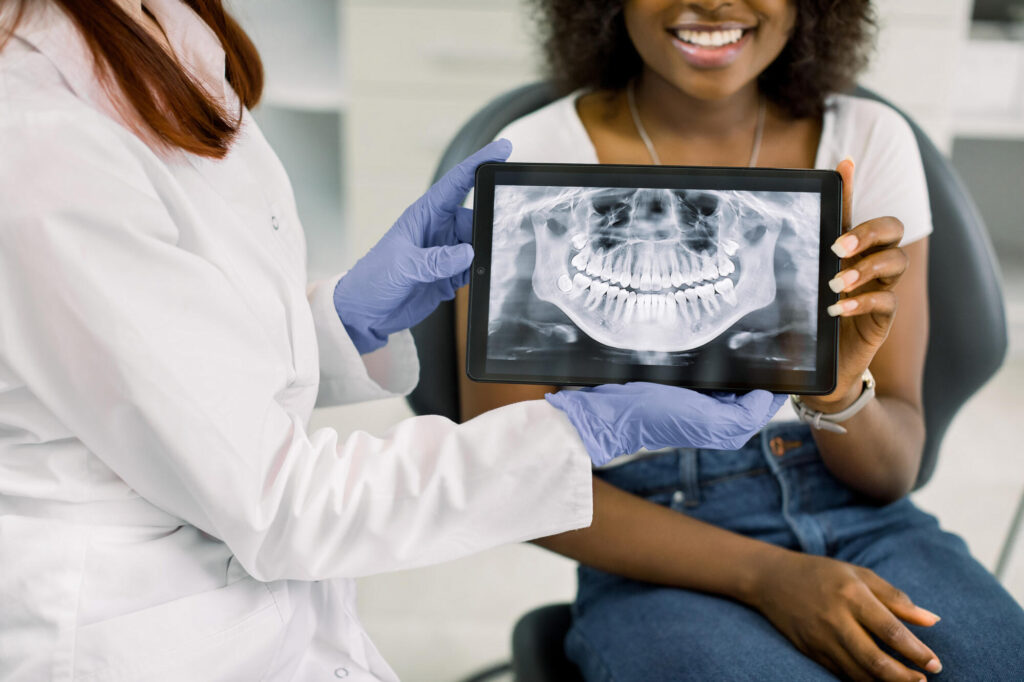
Dentists and orthodontists previously had to capture rays on film and develop the X-ray before they could view it. Digital X-rays were first introduced in the 1980s but weren’t commonly used until the 1990s. There are numerous benefits of taking digital X-rays, such as: 

  • Detailed look at the mouth structure 
  • Can be viewed by dental staff within minutes  
  • Better quality  

3D dental imaging allows orthodontists to create a 3D image of the patient’s teeth. They’ll also be able to view a 360º scan of the interior of the patient’s mouth. There is also less radiation with these types of X-rays. 

3D Printing 

Orthodontics and 3D printing might seem like an unlikely pairing to most people. However, 3D printing has changed the face of orthodontics. Orthodontists can print some of the following things for their patients thanks to 3D printing: 

  • Retainers 
  • Aligners 
  • Dental models 

3D-printed orthodontic appliances tend to be more accurate and comfortable than the traditional methods. Orthodontists can get their patients the things they need much easier and faster than they could in the past.  

Artificial Intelligence 

Artificial intelligence (AI) has begun impacting multiple industries, including orthodontia. Orthodontists use AI technology to create treatment plans and diagnose patient issues with more efficiency and accuracy.  

Orthodontists can also process a patient’s dental images using AI algorithms. These algorithms will scan the images, detecting conditions that the human eye may not be able to see. Some real-world examples of AI technology in orthodontia include: 

  • Assisting with the designing of personalized braces 
  • Analyzing a patient’s records and recommending a treatment plan 

Orthodontic Apps and Software 

Orthodontists have begun using apps and software to improve their patient’s experience with their office. They also make it easier for their staff to manage their practice. There are numerous features available in these programs, including: 

  • Financial management 
  • Patient communication 
  • Treatment planning 
  • Appointment scheduling 

There are numerous benefits orthodontists can experience by using these programs. Some of them include: 

  • Simplify their tasks 
  • Offer a better experience for their patients 
  • Enhance the precision of their treatment plans and diagnoses  

One of the great things about these programs is they’re often cloud-based. That means that any staff member can access the information from any device and location. They’ll see the most up-to-date information when viewing a file.  

SouthShore Orthodontics’ Dental Technology 

Our office can deliver more predictable results and greater precision with the help of our dental technology solutions. SouthShore Orthodontics is committed to staying ahead of the curve and offering the latest state-of-the-art procedures and treatments.  

3Shape Trios Digital Scanner 

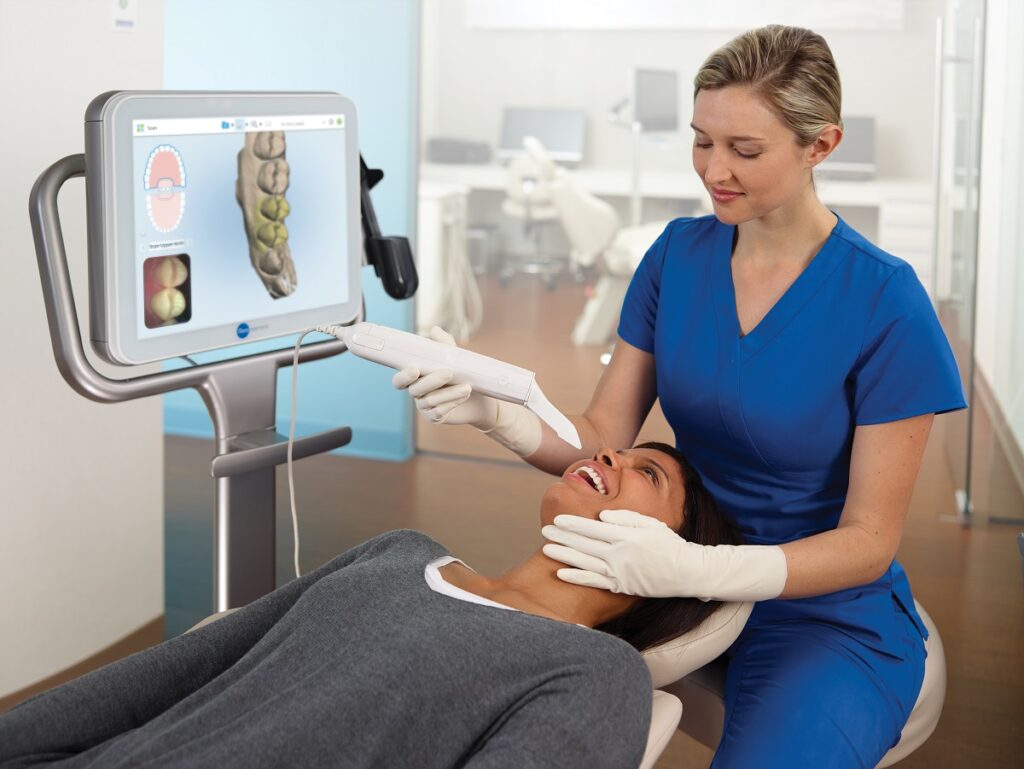
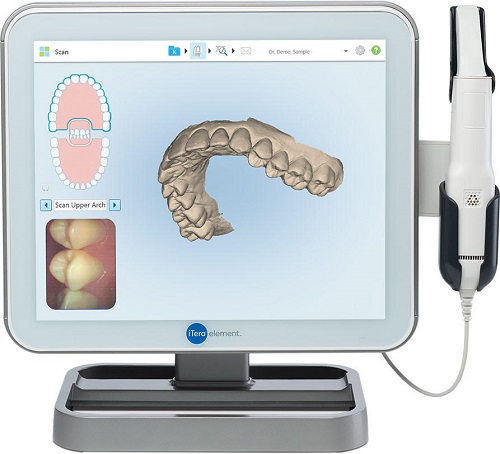
As we’ve mentioned, orthodontics relies primarily on accurate imaging and precision-based measurements. Our office achieves that by employing an in-house 3D digital intraoral scanner. This allows us to evaluate the current state of the patient’s teeth.  

I-CAT 3D X-Ray 

Our 3D X-ray machine can capture more superior images than the 2D X-rays from the past. We can capture high-quality images that can be viewed almost immediately.  

Form 2 by Formlabs 

Creating custom aligners can take a long time to produce and receive in a dental office. At SouthShore Orthodontics, we have an in-house 3D printer. Our Form 2 by Formlabs printer enables us to design and create clear aligners for our patients.  

We can deliver clear aligners to our patients at a much faster rate than if we had to outsource their creation. Our patients can get on the road to a straighter time at a much faster rate.  

Learn More About the Dental Technology at SouthShore Orthodontics 

Delivering high-end patient care is one of the most important elements of our dental practice. Our family dentist office stays on top of the innovations in the field. We use our expertise to ensure our patients achieve their dental goals.  

SouthShore Orthodontics is proud to be the leading local orthodontist in the Florida area. We offer the latest advancements in dental technology, ensuring you receive exceptional care. Call our office to speak with one of our staff members about scheduling an appointment. 

September 18, 2024

A 2023 review by Consumer Affairs found that clear aligner therapy works for mild to moderate tooth movements 80% to 90% of the time. This impressive success rate makes clear aligners a popular option for teeth straightening. 

But how do clear aligners work, and why do so many people choose them over traditional braces? If you’re considering invisible braces for yourself or your child, understanding the science behind the clear aligner process can help you make an informed decision. 

What Are Clear Aligners? 

Clear aligners are transparent, custom-made trays that fit over your teeth to gently guide them into the desired position. Unlike traditional metal braces, they are almost invisible and removable, making them a convenient option for adults and kids. These trays are BPA-free plastic, providing comfort and flexibility while still delivering effective orthodontic treatment. 

The Technology Behind Clear Aligners 

Clear aligners use advanced digital technology to map out the movement of your teeth. Here’s a breakdown of the clear aligner process. 

Consultation and Scanning 

A thorough dental assessment is conducted, including digital impressions of your teeth. Using 3D scanning technology, orthodontists can create a detailed map of your current teeth alignment. 

Treatment Planning 

Based on these scans, a custom treatment plan is developed. The plan outlines each stage of tooth movement and provides a timeline for the treatment. 

Manufacturing of Aligners 

A series of aligners is created for your teeth. Each set moves your teeth gradually, usually by about 0.25 to 0.3 millimeters per aligner. 

Wear and Progress 

You’ll wear each aligner for about one to two weeks before moving on to the next set. The clear aligner process continues until your teeth reach their final, straightened position. 

How Do Clear Aligners Work to Move Teeth? 

Teeth may seem firmly anchored in place, but they sit within a soft tissue bed that allows for slight movement. When pressure is applied over time, the bone and ligaments around the tooth change to fit the new position. 

Clear aligners work by applying gentle, controlled force to teeth in specific directions. The force is distributed evenly across the aligners, guiding the teeth into a better alignment over time. 

Targeted Pressure 

Aligners apply pressure at specific points. The pressure stimulates bone remodeling, a natural process where the bone is broken down and rebuilt to support the tooth’s new position. 

Gradual Adjustments 

Each set of aligners is a little different from the previous one. This creates a step-by-step process that gradually shifts teeth over time. 

Retention 

Patients wear retainers after completing the active treatment to hold the teeth in their new position. Retainers help prevent any shifting. 

Why Choose Clear Aligners? 

For many, the decision to choose clear aligners comes down to convenience, appearance, and comfort. Clear aligners offer several clear aligner benefits that make them an attractive alternative to other treatment options.. 

Discreet Appearance 

Since they are invisible, clear aligners allow you to maintain your natural smile throughout treatment. This feature is especially appealing to adults who may feel self-conscious about wearing braces. 

Removability 

Clear aligners can be removed when eating or drinking, making oral hygiene easier to maintain. It reduces the risk of plaque buildup, cavities, and gum disease. 

Fewer Dietary Restrictions 

With clear aligners, you can continue enjoying your favorite meals by removing the aligners before eating. 

Comfort 

Clear aligners fit snugly over the teeth, providing a comfortable experience throughout treatment. Their custom-made fit also lessens the risk of irritation to the gums and inner cheeks. 

Shorter Treatment Times 

In some cases, treatment with clear aligners can be quicker than other treatment options. Patients may see results in as little as six months to a year for mild to moderate misalignments. 

The Science Behind Effective Orthodontic Treatment 

The clear aligner process involves precise planning, advanced technology, and an understanding of how teeth move. Orthodontic treatment with clear aligners takes advantage of the body’s natural processes to safely shift teeth. 

The science of tooth movement, known as mechanobiology, plays a crucial role in the effectiveness of aligner therapy. When pressure is applied, the cells around the tooth’s root respond by breaking down bone on one side and building up bone on the other, allowing the tooth to move. 

Orthodontists design aligners with these principles in mind, offering a solution tailored to your specific dental needs. Each set of aligners not only aligns your teeth but also minimizes the risks of damage to the roots and supporting bone structures. 

What to Expect During Clear Aligner Treatment 

Before starting the clear aligner process, your orthodontist will outline the stages of treatment and what you can expect during each phase. At SouthShore Orthodontics, you’ll receive comprehensive care throughout the entire process. From the initial consultation to your final set of aligners, the team ensures a smooth, customized experience. 

Here’s what the treatment involves: 

  • Initial consultation 
  • Custom aligners 
  • Progress checkups 


Teeth Straightening Options: Is Clear Aligner Treatment Right for You? 

Clear aligners are an excellent alternative to traditional braces if you’re considering teeth straightening options. However, more severe cases of misalignment may still require traditional braces or other treatments. It’s important to contact an orthodontist to see what the best treatment is for you or your child. 

SouthShore Orthodontics offers a wide range of orthodontic treatment options, including our very own Simply SouthShore Aligners, to suit the needs of adults and children alike. Whether you want clear aligners or other teeth straightening options, their team can guide you toward the right solution. 

Achieve a Straighter Smile With Clear Aligners 

How do clear aligners work? Clear aligners straighten teeth through gradual, controlled movements by harnessing advanced digital technology and the body’s natural processes. 

Clear aligners have many benefits. They look discreet, can be removed, and are comfortable. This makes them a popular choice for both adults and children. 

To explore clear aligners and other teeth straightening options, schedule a consultation with SouthShore Orthodontics today. The team will create a custom treatment plan tailored to your needs, ensuring you achieve the smile you’ve always wanted. 

August 30, 2024

Pursuing orthodontic treatments is common worldwide. According to Very Well Health, around three million American and Canadian adolescents have braces. However, it can be difficult to know when to start braces and other treatments for your child.  

As orthodontic professionals, we understand parents want their children to have the best smile possible. Knowing what type of braces to get and when to schedule their first orthodontic services appointment is a key part of the process. You might also wonder how long it’ll take them to achieve a flawless smile.  

This blog will discuss common kids’ orthodontic services. We’ll also discuss the average orthodontic treatment timeline and what factors can affect this.  

Ideal Age for Starting Orthodontic Treatment 

The American Association of Orthodontists (AAO) recommends that you schedule your child’s first orthodontist appointment around the age of seven. You can also bring them to the orthodontist if you or a dentist notice issues with their bite.  

Keep in mind that your child’s jaw and teeth are continuing to develop at this age. This makes it easier to address some orthodontic issues, such as: 

  • Overcrowding 
  • Underbites 

Many orthodontists prefer to start orthodontic services once your child’s permanent teeth have come in.  

Signs Your Child Needs Braces 

There are a few signs you can keep an eye out for as a parent to see if your kid needs braces. Knowing these signs in advance can help you catch oral health problems before they become more severe.  

Crowded Teeth 

As we mentioned, early intervention can help remedy overcrowded teeth. As your child’s permanent teeth grow in, there might not be enough room in their mouth to fit the new teeth. Some of the negative effects this can have on your child include: 

  • Developing a lisp 
  • Difficulty chewing 
  • Teeth coming in at odd angles  

Braces will put pressure on your child’s teeth and move them into the correct position. They can also address issues teeth crowing may cause, like an over or underbite.  

Lost Baby Teeth Too Late or Early 

When your child loses their baby teeth, can affect whether they’ll need braces. It’s uncommon for children to lose all their baby teeth early. However, factors like tooth decay and injury can cause their baby teeth to fall out prematurely, 

Dental complications can arise if this happens to your child. Losing baby teeth too late can also cause misalignment issues when their permanent teeth come in.  

You can expect your kid to start losing their baby teeth around the age of six. If they start losing their teeth before or after that age, take them to the dentist.  

Gaps in Their Teeth  

It’s okay if your child is young and has gaps between their teeth. As their adult teeth come in, those gaps will fill in. If they still have gaps between their permanent teeth, it may be time to book an orthodontist appointment.  

Getting braces or another type of orthodontic treatment will remedy these gaps. They’ll also help improve oral health and self-esteem.  

Gaps between teeth can cause plaque to accumulate in the open spaces. Plaque eventually hardens into tartar, which increases the likelihood of your child developing periodontitis and gingivitis. Addressing those gaps right away can help them avoid serious issues while fixing their smile.  

Factors That Affect the Duration of Orthodontic Treatments  

According to Healthline, the average orthodontic treatment timeline is around one to three years. Your child may need them on for a longer or shorter period. Different circumstances can affect that timeframe.  

Their Bite 

Your bite refers to how your bottom and top teeth align. Your child’s bite might not line up like it should, and they could need treatment for one of the following bites: 

  • Deep bite 
  • Crossbite 
  • Underbite 
  • Open bite 

 How Crooked Their Teeth Are 

Many people get braces to fix problems with how their teeth look. Common problems can include: 

  • Too far apart spacing 
  • Crowded teeth 
  • Teeth that stick out 

Treating these issues isn’t just important for your child’s smile’s aesthetic appearance, it’s also key for preventing other oral health issues, such as: 

  • Enamel erosion 
  • Gum disease 
  • Cavities 

The severity of your child’s misalignment will determine how long they have their braces on. Some instances might require the removal of some of your child’s teeth to fix their issues.  

Your Child’s Oral Hygiene Habits 

How well your child takes care of their teeth will affect how long they need orthodontic treatment. The more they floss and brush their teeth, the fewer delays you’ll encounter with their treatment plan. Practicing good oral hygiene can help them get their braces off faster.  

Some tips to keep in mind for when your child has braces include: 

  • Brushing and flossing their teeth at least twice a day 
  • Brushing after meals 

Not Following Your Orthodontist’s Instructions 

You and your child will receive a list of instructions to follow once they get their braces. This can include: 

  • Not eating foods that are sticky, hard, or crunchy 
  • Wearing a mouthguard when playing sports 
  • Avoiding chewing gum or ice 

Partaking in any of these activities could cause damage to your child’s braces and extend their treatment timeline. It could also result in you having to pay more money.  

Schedule an Appointment to Discuss Orthodontic Services for Your Child  

It can be confusing to know when to start braces for your child, but SouthShore Orthodontics is here to help answer any questions you may have. We are committed to providing you and your family with exceptional orthodontic care in Florida. We provide a wide range of services, including Invisalign and braces for children. Contact our office to schedule a consultation. 

August 21, 2024

If you look in the mirror and are less than satisfied with your smile, you are not alone as according to the American Association of Orthodontists, one in three patients needing braces in the United States are adults. One common alternative to wearing braces is using plastic aligners known as Invisalign. 

Many people ask, “With Invisalign, how long does it take to see noticeable results?”. As each case is unique, understanding the Invisalign treatment duration can help set realistic expectations for how long it will take to achieve your perfect smile.  

We will discuss the factors affecting Invisalign treatment to help you understand how long it might take for you.  

Invisalign: How Long Does It Take?  

Invisalign is a popular orthodontic treatment that uses clear, removable aligners to slowly straighten teeth from home. Unlike traditional braces, Invisalign is a more discreet and comfortable way to get a beautiful smile. 

Invisalign works well for many types of alignment issues, including the following:  

  • Crowded teeth 
  • Gaps 
  • Mild to moderate bite problems  

 On average, the Invisalign process time ranges from 9 to 18 months. Some patients may achieve their ideal results in as little as 6 months, while others may need up to 24 months. 

Invisalign treatment duration can vary based on several factors, including: 

  • Case complexity 
  • Patient compliance 
  • Patient age  

Impact of Case Complexity on Treatment Duration 

Simple cases, such as minor crowding or spacing issues, may have a shorter treatment time frame. More complex cases, like severe misalignment or bite issues, may need a longer treatment period. 

Patient Compliance  

Wearing your aligners for the recommended 20 to 22 hours per day is key to keeping up with your aligner timeline. Not wearing them for the recommended number of hours can prolong the Invisalign process time. 

Also, skipping check-ups with our orthodontists can affect how long you need to wear Invisalign. These appointments allow our team to check your progress and make personalized adjustments to your aligners. Missing appointments can extend the time it takes to straighten your teeth. 

Age Factor 

Invisalign is effective for both teens and adults, but the treatment time frame can vary slightly for each group. Younger patients, whose teeth may move more quickly, might have a shorter treatment duration compared to adults. 

The Clear Aligner Timeline 

Invisalign involves several stages, each contributing to how long your Invisalign treatment will take. Here’s a breakdown of what to expect during the Invisalign process time:  

Initial Consultation  

During your first visit, our orthodontists will evaluate your teeth and discuss your goals. Based off this, we will decide if Invisalign is the right treatment for you based on their evaluation. This first visit usually lasts about an hour.  

Custom Treatment Plan  

If you and your SouthShore orthodontist choose Invisalign, we will create a treatment plan based on your individual needs. We will take digital scans or impressions of your mouth, so your aligners fit you perfectly. SouthShore Orthodontics has the technology to measure and print aligners in-house, reducing the time you’ll have to wait to start using them.  

Wearing Aligners 

Once you get your aligners, you’ll wear them on average for 20 to 22 hours a day. You’ll only remove your aligners to do the following:  

  • Eat 
  • Drink 
  • Clean your teeth 

You will change to a new set of aligners every one or two weeks. These aligners will help move your teeth to their final position. The aligner-wearing phase can last anywhere from 6 to 24 months, depending on your treatment plan. 

Regular Check-Ups 

Regularly scheduled check-ups with your orthodontist will ensure your treatment is moving in the right direction. These appointments are usually scheduled every 6 to 8 weeks and last about fifteen to thirty minutes.  

Final Adjustments  

Once your teeth have moved into their desired position, your orthodontist may make final adjustments to perfect your smile. Any final adjustments typically take a few added weeks. 

Retainers 

Once you’ve completed your Invisalign treatment, wear retainers during certain times of the day to keep your new smile in place. Patients typically wear retainers for a longer period during the first few months after treatment, and then only at night.  

Tips for Staying on Track with Invisalign 

Staying on schedule with your Invisalign treatment is essential for achieving the best results within the expected time frame. Here are some of the best tips to help you stay on track with your Invisalign timeline.  

Follow Your Treatment Plan 

Stick to the aligner schedule provided by our orthodontists. Changing aligners too soon or too late or not wearing your aligners for long enough each day can impact your clear aligner timeline. 

Maintain Oral Hygiene 

Keeping your aligners and teeth clean is important to avoid delays caused by other dental issues. Brush and floss regularly, and clean your aligners every day. 

Go to Check-ups 

Don’t skip your orthodontist appointments. These check-ups help our orthodontist will: 

  • Monitor your progress 
  • Make adjustments to your treatment plan 
  • Answer any questions you have 

Be Patient 

Remember that the Invisalign process time is unique to each person. Staying patient and consistent will help you achieve the best possible results.  

Although it will take some time, you’ll be able to achieve the smile you’ve always wanted by:  

  • Following our orthodontist’s advice 
  • Staying consistent with wearing your aligners 
  • Attending check-ups 

Discover Your Perfect Smile at SouthShore Orthodontics 

Invisalign offers a modern, flexible solution for those looking to straighten their teeth without the challenges of traditional braces. If you’re considering starting treatment with Invisalign, how long does it take to see results is likely one of your top questions. 

If you’re looking for exceptional orthodontic care, look no further than SouthShore Orthodontics. At our practice, you’ll not only receive top-tier treatment but also enjoy a warm and welcoming atmosphere where your comfort is our priority. Our team works hard to make treatment plans just for you, so you can get the smile you’ve always wanted. 

Schedule a free consultation today and start your journey to a confident, radiant smile! 

August 14, 2024

Many people who get braces anticipate the day they can be removed to show off their pearly whites. While time plays a big role in the duration of wearing braces, another factor can be just as significant. 

Added challenges to oral hygiene arise with a mouthful of braces. Around three million teens and adults who wear them struggle with daily cleaning and hygiene. Although cleaning between metal, bands, and teeth can be difficult, preventing decay is essential. 

Read on for expert tips on floss with braces and keep your mouth clean! 

Get Softer Bristles 

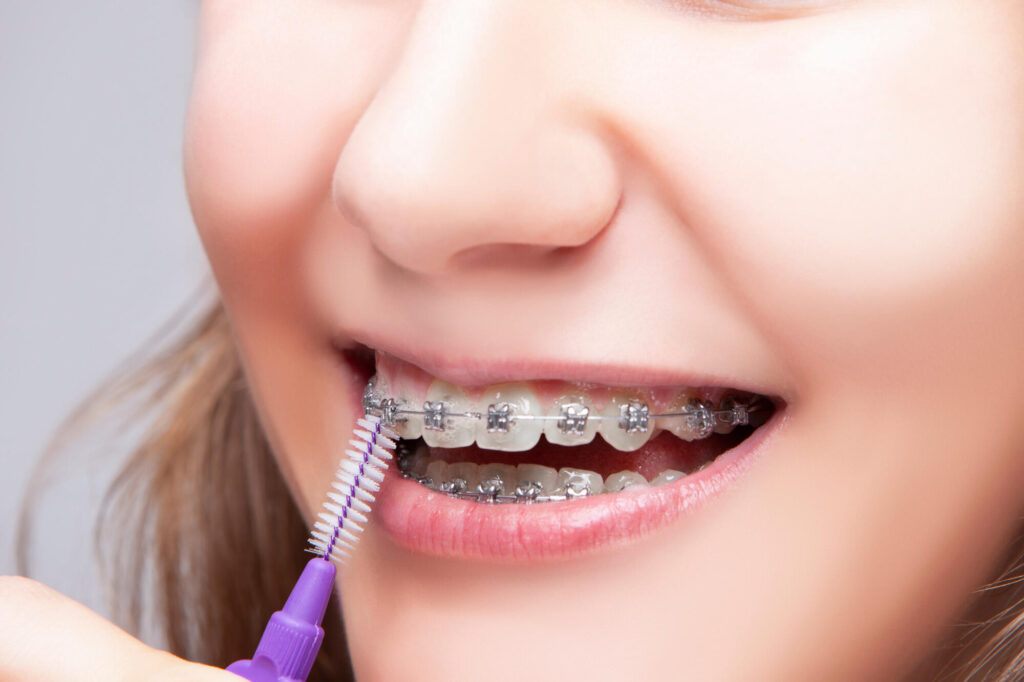
While some people think pressure while brushing improves oral hygiene, it can cause serious damage. Soft bristles are strong enough to remove debris and plaque, but they won’t impact your gums, wires, or brackets. 

Softer brushes aren’t as tightly packed with bristles, and they tend to be more flexible than hard or medium options. With increased flexibility and strategic placement, bristles can clean around wires and brackets. Another reason to invest in soft bristles is to prevent enamel from wearing down.  

Since you can’t always anticipate dental problems, you must learn how to handle emergency ortho situations at home. 

Use Water to Floss with Braces 

Did you know you can remove buildup around your teeth and gums with water? With enough pressure and precision, water can keep your teeth and braces clean without cutting into your gums.  

Water flossers are highly recommended by our team since they are effective and gentle. These electric flossers won’t damage braces but are strong enough to remove plaque. We suggest using low pressure to prevent damage to braces and a stinging sensation from the pressure.  

Traditional flossing with braces can be problematic, especially with low-quality dental floss. Not only can it cut into gums while trying to work around braces, but the fibers can also get caught in the metal.  

Brush After Each Meal 

Although it can feel like a nuisance at first, brushing after meals will be worth every moment behind the sink. People have a hard enough time trying to clean their teeth, let alone when they have braces.  

Brackets and wires can trap more food and sugar in many spots. While brushing twice a day is good for some, those with braces need to remove the problems before they stick.  

Take a Smart Approach 

There’s a special technique that helps people keep their mouths clean with braces. While it’s common to focus on pearly whites, the gums should take priority while brushing.  

Angling your toothbrush will help get between the teeth, around the gums, and against brackets. A straight-on approach can be abrasive on the materials. Use a circular motion and gently press the toothbrush on the teeth to loosen debris and remove plaque.  

You won’t properly clean your teeth if you’re not spending at least two minutes on your technique. Give yourself enough time to brush so that future dental problems don’t develop.  

Keep Mouthwash Handy 

No matter how much you practice brushing with braces, it’s challenging to get rid of all the bacteria. For smaller particles, mouthwash can loosen items and keep your teeth, gums, and brackets clean. 

There are many mouthwashes, so you can pick whichever suits your preferences the most. Gently swooshing the mouthwash between teeth can get to the most difficult locations around braces. 

Another reason to keep mouthwash handy is to ensure bacteria doesn’t build up around the gums or on the tongue. Once bacteria starts accumulating in the mouth, it can quickly spread and result in cavities.  

Turn the Lights On  

If you’re searching for an effective trick to clean around braces, you don’t want to be left in the dark. Many people brush their teeth in the dark, in preparation for bedtime or as they start the day.  

Flipping the switch on can help prevent injuries and missed brackets. Cleaning around the archwire is hard, especially if you can’t see well. You might miss cleaning obvious dental debris. You also want to keep the lights on to identify broken brackets or vulnerable wires.  

Let Floss Picks Do the Dirty Work  

Bringing a water flosser to work or school can attract unwanted attention, but there’s a more subtle solution. Floss picks combine toothpicks and floss for effective dental hygiene procedures.  

Floss picks are affordable and easy to find in stores and online. One end of the floss pick is pointed, creating an ideal dental tool for removing plaque and food. This is a highly effective strategy for getting into tight spaces, but you must use them with caution because of these points.  

Avoid rushing while using floss picks and only apply gentle pressure. This will avoid unpleasant cuts and pokes.  

Find Your New Braces Care Routine for a Better Smile 

People who don’t know how to properly brush and floss with braces are disappointed when they discover they still get cavities. Not only can debris cause decay, but it can also extend timelines for wearing braces and take a toll on self-esteem.  

Learning how to navigate braces and oral hygiene can be intimidating, but at SouthShore Orthodontics, your family isn’t alone. Whether you or your child needs braces, some tips can keep teeth clean and straight, with the latest tech and our helpful orthodontic team, your family can smile with confidence.  

If you’re looking for more orthodontic solutions, we’re here to help. Give us a call for quick assistance and get your appointment scheduled today! 

June 26, 2024

Braces are getting a makeover! New ideas and tools are changing how we fix teeth right now. 

These changes make treatment faster, more comfortable, and nearly invisible. Let’s look at how innovative orthodontics and orthodontic advancements can change your life. 

Digital Tools for Better Smiles 

Computers are now a significant component in the field of orthodontics; they are commonly known as digital orthodontics. These emerging dental technologies include tools like the 3D digital scanner. At Southshore Orthodontics, we use the 3Shape Trios Digital Scanner. 

These scanners, unlike the traditional molds, take quick and comfortable pictures of your teeth. They’re designed with your convenience in mind. 

The scans help doctors see your teeth from all angles, which allows us to understand what needs to happen. 

We also use computers to design and make braces and aligners, which we call CAD/CAM. It stands for Computer-Aided Design and Computer-Aided Manufacturing. It’s a fancy way of saying we use computers to make your braces or aligners fit just right. 

Better X-rays for Your Teeth 

At Southshore Orthodontics, we use the i-CAT 3D X-ray. It takes 3D pictures of your teeth and jaws so we can see your teeth from all sides. 

These new X-rays show us more details than ever before. They help us find problems that might not be visible, such as hidden teeth or bone problems. This means we can diagnose and treat these issues earlier, preventing potential complications, and ensuring a more effective treatment. 

The best part? These new X-rays, such as the i-CAT 3D X-ray we use at Southshore Orthodontics, use significantly less radiation than the old ones. This means they’re not only more effective but also safer for you, ensuring your peace of mind. 

Nearly Invisible Ways to Straighten Teeth 

Clear aligners are like invisible trays for your teeth. You can take them out when you eat or brush. 

Our office has a 3D printer called Form 2 by Formlabs. Printing aligners in-house reduces wait times and can speed up treatment.  Our Simply SouthShore Aligners are custom-made to fit your unique needs, so you can be confident they will fit perfectly.

An alternate way to straighten your teeth is with lingual or behind-the-teeth braces. They provide a discreet alternative to traditional braces, making them nearly invisible to others. 

Both options are ideal for adults who want to fix their smiles without drawing attention. 

Smart Computers Helping Orthodontists 

Artificial Intelligence, or AI, is like a super-smart computer. It can help examine X-rays and suggest ways to fix teeth. It can also spot things a human might miss at first glance. 

AI can also show you what your smile might look like after treatment-it’s like seeing into the future. This can help you decide whether to get braces. 

AI doesn’t replace orthodontists. Instead, it helps them do their job even better. It’s like giving your orthodontist a super-smart assistant. 

Treatment Just for You 

Everyone’s teeth are different. New tools help us make plans that fit your unique needs. We can look at how strong your bones are and how your body works, which allows us to make better plans to fix your teeth. 

Some new tests can even examine your genes. These tests show us how your body will react to treatment. This helps us choose the best way to straighten your teeth. We want to find the most effective and efficient method for you. 

With all this information, we can create a perfect treatment plan. It’s no longer a one-size-fits-all approach. Your treatment is as unique as your smile! 

Why These Changes Matter 

All these new tools and ideas make orthodontic treatment better. They can: 

  • Make treatment faster 
  • Make it more comfortable 
  • Give better results 
  • Make it easier to fit therapy into your busy life 

These changes mean more people can get the smile they want. Whether you’re a kid, a teen, or an adult, there’s a treatment that can work for you. 

Get Innovative Orthodontics Care Now 

At Southshore Orthodontics, we use state-of-the art technology to provide you with your personalized treatment plan. Our office uses these new tools to make your treatment faster, comfier, and more successful. 

Ready to see how these new tools can transform your smile? We’d love to show you how we can make your smile unforgettable! Contact us today to schedule a consultation and start your journey to a straighter, healthier smile. 

June 13, 2024

Remember those days when getting braces meant sporting a mouthful of metal for what felt like an eternity? Braces have been used since ancient Egypt, with mummies even wearing them. Nowadays, orthodontic treatment has improved to make the process faster and more enjoyable for everyone.

From traditional braces to clear aligners, and efficient 3D digital scanning, orthodontics has advanced significantly. In this article, we will explore the latest technology SouthShore Orthodontics has to offer and the role it plays in enhancing patient experience.

If you are considering braces or Invisalign,  this article will explain how advancements in technology are changing the way we straighten teeth. It is an exciting time to be an orthodontic patient!

What is Modern Orthodontic technology?

Recently, technology has helped us give faster treatment, quicker results, and better quality care. At Southshore Orthodontics, we use state-of-the-art treatments and procedures. We have done the research to ensure we are providing the best results to our patients.

Modern orthodontic technologies such as 3D imaging and digital scanning offer a higher level of precision and accuracy in diagnosis, treatment planning, and execution.

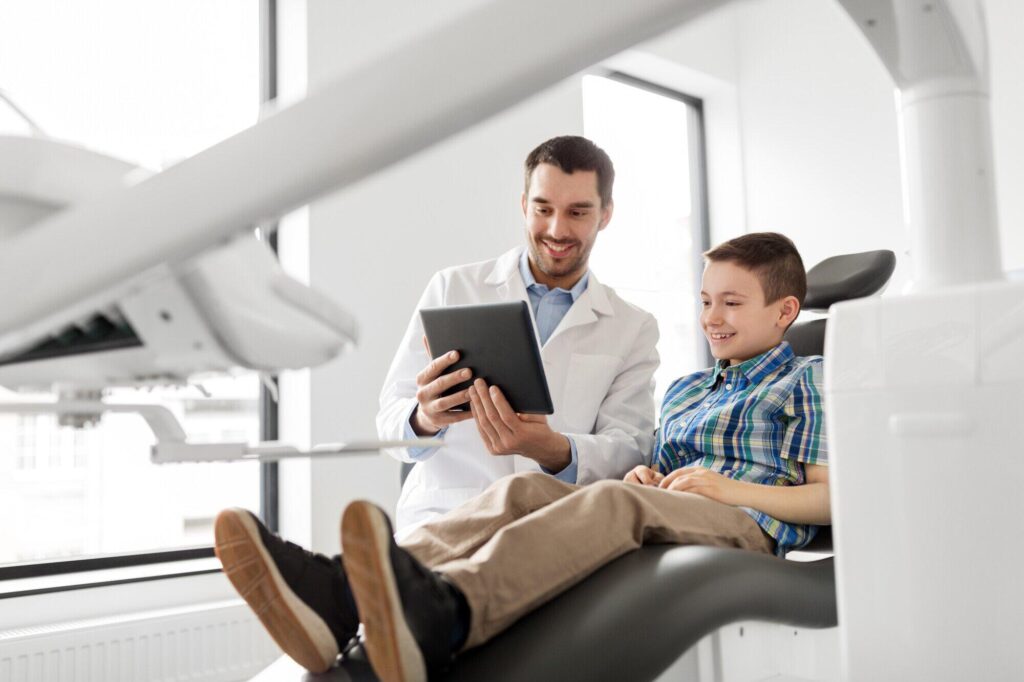
These technologies also foster greater patient understanding and engagement. Our patients can actively participate in their treatment journey, making informed decisions and feeling more confident in their care.

Why Is Technology Important in Advancing Orthodontic Treatment?

One of the primary benefits of advancements in technology is that orthodontists are more easily able to diagnose and treat various dental problems. Orthodontists can create personalized treatment plans for their patients. This patient-centered approach allows dental providers to provide more effective, efficient, and comfortable outcomes.

Another advantage of orthodontic technology and advancements is giving patients a more discreet way to straighten their teeth. For example, clear aligners and lingual braces have been made possible by advancements in the industry.

At SouthShore Orthodontics we provide the Tampa Bay area with the latest modern care. Check out some of the advanced tools we have in-office:

Form 2 by Formlabs

We don’t have to wait for custom appliances to be made in a lab; our 3D printer, the Form 2 by Formlabs, allows us to create these appliances in-house easily. Using digital scanning, we can produce an intricate 3D model of your teeth and jaws, which we can use for treatment and planning. As well as making customized appliances like clear aligners or retainers.

i-CAT 3D X-ray

The i-CAT 3D X-ray is an advanced imaging system that goes beyond traditional 2D X-rays. The x-ray provides outstanding clarity and detail that significantly enhances our diagnostic capabilities. This enables us to view the anatomy from every angle and provide insights into potential underlying problems that may not be as easy to diagnose.

One of the most significant features of the i-CAT 3D X-ray is the immediate accessibility. This allows our staff to view images in real time and provide clear treatment plans. Additionally, our X-ray system uses a low dose of radiation. Your safety and comfort are important to us!

3Shape Trios Digital Scanner

Gone are the days of messy and uncomfortable traditional impressions. The 3Shape Trios Digital Scanner allows us to see a glimpse of your future smile before treatment begins. The intraoral scanner analyzes the current condition of your teeth and lays the groundwork for an advanced and customizable treatment plan.

Patient Centered Benefits

The digital age has set new expectations. When applied to orthodontics, this technology improves results and puts patients at the center.

Our modern technology allows us to quickly make appliances in-house, reducing wait times for patients. We also offer a variety of treatment options to meet individual needs.

Now more than ever adults are wearing braces to correct their smile. Advancements in modern technology and affordable payment plans have made orthodontic treatment an appealing option for adults.

Discover Modern Orthodontic Technology in Riverview

Delivering high-end patient care is one of the most important elements of our dental practice. At SouthShore Orthodontics, we offer the latest advancements in dental technology, ensuring you receive exceptional care. Call our office to speak with one of our staff members about scheduling an appointment.

May 31, 2024

There’s a reason why there are nearly 6,400 orthodontist offices found in the United States. We rely on these professionals to help fix a wide array of dental problems.

However, the main reason people see an orthodontist is to enhance their facial aesthetics. This can cause a wide range of benefits in a person’s life.

But how exactly does orthodontic treatment help enhance facial aesthetics? And how do you find the best orthodontic treatment for your needs? In this guide, we’ll answer these questions so you can decide if visiting the orthodontist is the right decision for you or your loved ones.

Why Are Facial Aesthetics Important? 

A common misconception is that improving facial aesthetics is all about vanity. However, the reality is that feeling great about your smile and face can have a lot of practical benefits in your life.

One study found that 52% of adults were self-conscious about their smiles. Having crooked teeth can drastically affect a person’s self-esteem levels. This can go on to negatively affect your work performance and social relationships.

Improving your facial appearance with orthodontic treatment can boost your self-confidence.

What’s more, not being afraid to smile can also help ease certain mental health conditions, like anxiety. A definite sense of freedom comes with knowing that your teeth look great when you smile.

They Correct Jaw Alignment Problems

Certain dental conditions don’t just affect your teeth, but also the underlying facial skeletal bones. Conditions like cross-bites can cause your jaw to look out of alignment.

Early orthodontic treatment can nip this bite correction problem in the bud before it becomes a serious problem.

In addition to helping prevent conditions like TMJ down the line, it also balances your facial profile. This can lead to a more harmonious jawline.

They Create Facial Symmetry 

When it comes to beauty aesthetics, facial symmetry is everything. However, this doesn’t just apply to areas like your eyes, eyebrows, and ears. It also counts your teeth.

Treatment options, like braces, can help straighten crooked or crowded teeth. What’s more, they can also close unsightly gaps in your teeth. All this helps contribute to your overall facial symmetry.

They Improve Your Lip and Cheek Support

It’s estimated that 10% of the population suffers from an underbite. And that’s not even counting the people who need to deal with overbites and protruding teeth.

In addition to affecting the way to talk and eat, these conditions can also impact your lips and cheeks. See, our hard tissue (which includes both our bones and teeth) can affect our soft tissue (our lips and cheeks).

Improving the hard tissue in your lips and cheeks can help enhance the soft tissue in surrounding areas. When these problems are corrected, they provide much more support to your cheeks which can improve their appearance. What’s more, they can also result in fuller lips.

What Other Benefits Do Orthodontics Provide?

Many people make the mistake of thinking that braces from orthodontists are purely for cosmetic purposes. However, the truth is that orthodontics can also provide you with numerous other benefits besides straighter teeth.

For example, if you suffer from sleep apnea and snoring, then a trip to the orthodontist might be able to help you. Other oral health benefits include:

  • Prevents tooth decay
  • Prevents gum decay
  • Prevents certain dental injuries
  • Improves your speech abilities
  • Aids with digestion
  • Prevents bone erosion
  • Reducing the risk of TMJ or Temporomandibular Joint Disorder
  • Relieve pain

How to Find the Best Orthodontic Treatment  

One of the first things you should do when searching for an orthodontist is ask around your network for recommendations. Odds are your friends, family, or colleagues might have a suggestion about who you should visit.

Ensure you’re carefully checking online reviews to gauge the average patient experience. If you’re interested in visiting SouthShore Orthodontics, you can read our 5-star reviews here.

You also want to verify their experience level. The fastest way to do this is to make sure that they’re board-certified. At SouthShore Orthodontics, our orthodontists are board-certified, reflecting their dedication to the highest standards of care and expertise in the field. This certification ensures that you are receiving treatment from professionals who have undergone rigorous evaluation and continuous education in the field of orthodontics.

Ready for Enhanced Facial Aesthetics? Contact SouthShore Orthodontics

We hope this guide helped you learn how orthodontic treatment can improve your facial aesthetics. Here at SouthShore Orthodontics, we know that every patient has different needs and goals for their treatment.

That’s why we work with you to create personalized care plans tailored specifically toward you. What’s more, we do all this in an environment that’s welcoming and comfortable.

So, if you’re ready for the smile you’ve always dreamed of, schedule a consultation with us today.

April 24, 2024

Have you ever stood in front of a mirror, flashed a smile, and wished for straighter teeth? The road to achieving that perfect smile often begins with metal dental braces. This time-tested solution can both align teeth and enhance oral health. Yet, the thought of navigating this process can feel overwhelming.

From the initial application to the day they’re removed, metal braces transform not just your smile, but also your entire experience of dental care. This article demystifies what getting and living with braces entails. We want to help you make informed decisions that can significantly ease your journey of straightening teeth.

By understanding the ins and outs, including what to expect and how to manage the common hiccups, you’ll see how braces can be less of an ordeal and more of an exciting step towards the smile you’ve always wanted. This process is also similar to getting ceramic braces.

Keep reading to discover how to make your braces experience as smooth as possible. And if you’re preparing for an appointment with Dr. Matt or Dr. Mary, rest assured that you’re in great hands with a board-certified orthodontist!

The Process of Getting Metal Dental Braces

The path to a perfect smile often starts with a thorough evaluation by one of our orthodontists. This initial step is more than just a quick glance at your teeth. The orthodontist conducts a comprehensive examination, which may include digital X-rays or 3D imaging.

These images provide a deep dive into the structure of your jaws, the position of your teeth, and any underlying issues that aren’t visible to the naked eye. The goal is to develop a clear understanding of your oral health and the specific changes needed to achieve your smile goals.

Developing Your Personalized Treatment Plan

After this assessment, our orthodontists discuss the findings with you. This conversation covers:

  • The recommended orthodontic treatment plan
  • The expected duration of wearing braces
  • Any preparatory work needed before the braces can be applied

This might include dental work to address cavities, removal of baby teeth, or the use of spacers to create enough room for teeth to move.

The Application Process

Once your mouth is ready for braces, and you’ve decided to proceed, your next orthodontist appointment is all about applying the braces. The process kicks off with a thorough cleaning of your teeth to ensure a clean surface for the braces to adhere to.

Next, our orthodontist applies a conditioning liquid to your teeth to prepare them for the brackets. This liquid roughens the surface slightly, allowing for a stronger bond between your teeth and the brackets.

The brackets, which are the small metal or ceramic pieces that attach directly to each tooth, are then placed using a precise dab of dental-grade adhesive. The placement of these brackets is carefully calculated to ensure each tooth moves in the correct direction and at the right pace.

Once all the brackets are securely in place, our orthodontist threads the archwire through them. This wire is the main player in the straightening process. It applies constant, gentle pressure to guide your teeth into their new positions.

To finish, small elastic bands, known as ligatures, are wrapped around the brackets to hold the wire in place. These bands come in various colors, allowing for a bit of personalization in your orthodontic treatment.

The entire application process is meticulous, but generally comfortable, taking anywhere from one to two hours to complete.

Life with Braces

Living with braces requires some adjustments, especially in the first few weeks. One of the biggest changes is diet. Hard, sticky, and chewy foods can damage braces, so you’ll need to avoid them.

Think soft foods and cut bigger pieces into smaller, manageable bites.

Oral hygiene is also crucial. Braces can trap food and plaque, leading to cavities and gum problems if you’re not careful.

Brushing after every meal and flossing daily becomes even more important when you have braces. Our orthodontists may recommend using special brushes designed to clean around the metal brackets and wires.

Adjustments are a regular part of life with braces. About every four to six weeks, you’ll visit our orthodontist to have your braces tightened. This can cause some orthodontic mouth pain, but it’s usually mild and temporary.

Pain relievers and soft foods can help manage this discomfort.

Finally, crooked teeth start to move and align within a few months, but the total time you’ll wear braces varies. It could be anywhere from 18 months to 3 years, depending on your individual needs.

The Road to Removal

After months or even years of anticipation, the day you get your braces off is a big moment. Understanding what to expect can make this exciting transition smoother and less intimidating.

The process of removing braces is much quicker and less complicated than putting them on. First, an orthodontist will use a special tool to gently detach the brackets from your teeth. This tool carefully lifts each bracket, minimizing discomfort.

Despite the pressure you might feel during this process, it shouldn’t hurt.

Once all the brackets are removed, there’s usually some adhesive left on your teeth. Our orthodontist will remove this residue, often using a dental handpiece.

This step polishes your teeth, leaving them smooth and clean. While the sensation of the handpiece might feel strange, it’s not painful.

With your braces off, your teeth will feel incredibly smooth and, for some, slightly strange to the tongue. This is normal and quickly becomes the new normal as you adjust over the next few days.

The next critical step in your orthodontic treatment involves an orthodontic retainer. Retainers are essential for maintaining the new position of your teeth. Without them, your teeth could shift back to their original positions, undoing all your hard work.

Our orthodontists will help you select the right type of retainer. This may be a retainer worn nightly or even a permanent retainer.

An orthodontist will explain how and when to wear your retainer. They might take impressions of your newly aligned teeth to create a custom retainer that fits perfectly.

Embrace Your Smile Journey with Confidence

We’ve unpacked the essentials of navigating life with metal dental braces – from preparation through to the grand unveiling of your new smile. Embracing braces means more than just enduring a period of adjustment. It’s about leveraging this powerful orthodontic treatment to correct crooked teeth and secure a healthier, more confident smile.

At SouthShore Orthodontics, we’re dedicated to ensuring your experience is not just comfortable, but truly transformative. Using the latest technology and personalized care plans, we stand by our patients at every step of their orthodontic journey. Schedule a consultation with us today and take the first step towards a brighter, straighter, beautiful smile.